Reducing human error with digital permit systems

Everyone agrees digital is the future. However, paper permits still create delays, inconsistency, and unnecessary risk.
Yet, going digital alone doesn’t guarantee safer processes. Many tools simply recreate old problems on a screen.
They still include confusing forms, poor visibility, and disconnected approvals. Instead, design and usability make the real difference.
The best digital permit to work systems reduce human error by making processes clear and easy to follow.
Why Errors Still Happen
Most site errors don’t come from negligence. Instead, they happen when people work with unclear information.
For example, teams may start tasks before approval. Alternatively, they may miss controls hidden in emails.
Sometimes, permits fail to update when conditions change. As a result, small gaps lead to serious risks.
Digital systems can prevent these issues. However, they must match how people actually work.
Clarity and Visibility
Strong systems provide clear, real-time visibility. Everyone sees what’s approved, pending, or completed instantly.
As a result, teams avoid confusion over versions or sign-offs. Supervisors also maintain control across the site.
This visibility prevents overlapping work and conflicting permits. Therefore, teams reduce guesswork and improve coordination.
Automation That Supports, Not Replaces
Automation should support people, not replace them.
Smart notifications and expiry alerts prevent permits from overrunning. Linked workflows ensure teams complete controls before starting work.
For example, systems can connect permits with risk assessments and isolations. Consequently, teams follow the correct sequence every time.
The system handles admin tasks quietly. Meanwhile, workers focus on completing the job safely.
Consistency Across Every Site
Each project brings different teams, conditions, and pressures. However, strong systems create consistency across all sites.
They standardise processes so everyone follows the same steps. As a result, teams avoid confusion when moving between locations.
This consistency reduces errors caused by unfamiliar processes.
Simple by Design
The best systems succeed because people actually use them.
If forms take too long to open, users look for shortcuts. If workflows feel complex, people avoid the system entirely.
Therefore, design must stay simple, clear, and mobile-friendly. When systems feel intuitive, they become part of daily work.
Good design makes the right actions obvious. At the same time, it prevents incorrect actions.
What to Look For
When choosing a digital permit to work system, focus on usability over complexity.
Look for:
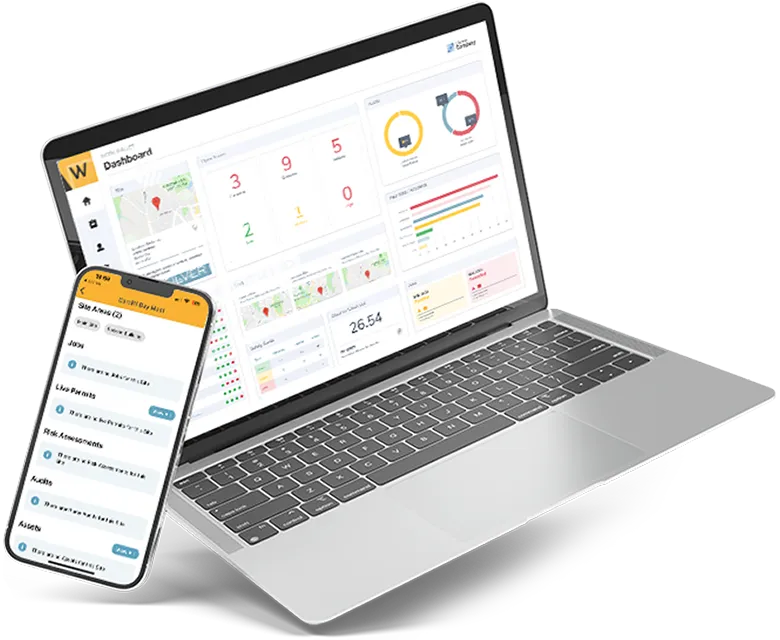
- Live dashboards with clear status updates
- Simple task views that guide users
- Automatic alerts for key actions
- Integration with wider safety systems
The best tools connect information instead of hiding it.
Final Thought
Digital transformation isn’t the goal.
Safer, more consistent work should always come first.
A strong digital permit to work system reduces assumptions, prevents mistakes, and removes unnecessary paperwork.
Get Started
Join the 10,000+ companies that grow with Work Wallet every day - trusted to simplify operations, boost safety, and keep teams connected.