Bridging ESG goals and SIF prevention

The world of EHS (Environment, Health, and Safety) is evolving quickly. ESG (Environmental, Social, and Governance) and sustainability now sit at the top of business agendas.
As a result, budgets are increasing and expectations continue to rise. However, one priority remains unchanged: keeping people safe.
Serious Injuries and Fatalities (SIFs) still define safety success. Even with strong ESG targets, injuries signal a critical gap.
ESG and SIF: Not Competing Priorities
Some believe EHS teams must choose between ESG and safety. In reality, both priorities support each other.
Reducing SIFs directly strengthens ESG performance. It demonstrates care for people and builds stakeholder trust.
Moreover, it reflects strong governance and responsible leadership. A safe workforce forms the foundation of a sustainable business.
Why EHS Data Matters
Accurate data drives progress across ESG and safety goals. Teams must understand risks, track incidents, and measure improvement.
However, manual data collection slows processes and creates inconsistency. This approach often leads to gaps and missed insights.
How Work Wallet Helps
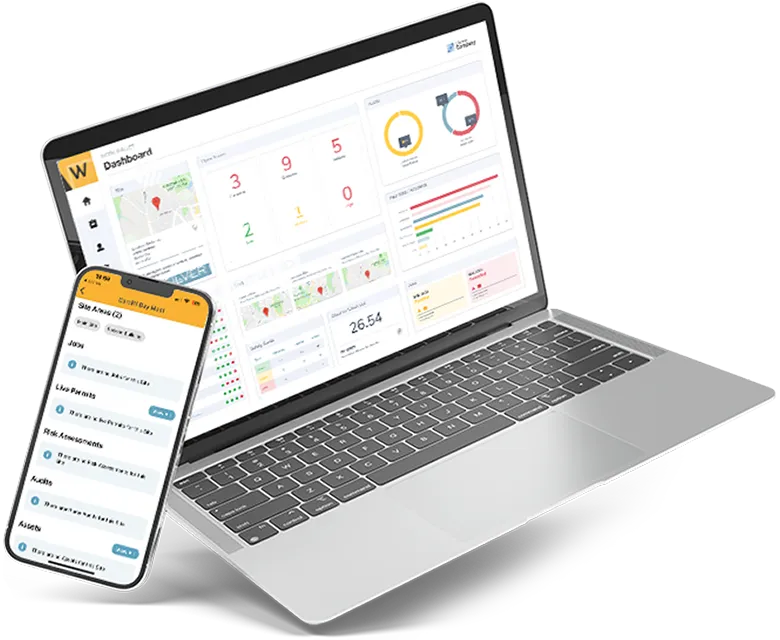
Work Wallet connects all EHS processes in one digital platform. It brings together incident reporting, audits and inspections, permits, and communication tools.
As a result, teams access real-time data across every site. They can track trends, identify risks early, and prevent SIFs.
Additionally, teams can link safety improvements directly to ESG outcomes.
Because the platform is flexible, teams report hazards and updates instantly. They don’t rely on spreadsheets or delayed communication.
Instead, they work with clear, connected data that drives action.
The Bottom Line
Sustainability goes beyond environmental goals. It depends on protecting people every day.
When organisations simplify safety systems, they create safer, stronger workplaces. At the same time, they build measurable ESG performance that truly matters.
Get Started
Join the 10,000+ companies that grow with Work Wallet every day - trusted to simplify operations, boost safety, and keep teams connected.