What is ESG: a guide from Work Wallet

At Work Wallet, we’re passionate about supporting businesses in their journey toward sustainability and responsible growth, which is where ESG – Environment, Social, and Governance – comes into play. ESG is the framework by which companies evaluate their performance in managing environmental impact, social responsibility, and governance practices, helping investors, partners, and other stakeholders assess risk and opportunity in alignment with sustainable business practices.
Why ESG Matters
In today’s landscape, ESG has emerged as a critical standard for assessing a company’s long-term sustainability, having evolved from earlier concepts like Corporate Social Responsibility (CSR). What sets it apart is its structured approach, offering well-defined criteria for each pillar – Environment, Social, and Governance – and moving toward more consistent, standardised evaluations. ESG encourages companies to undergo a “double materiality” assessment, identifying what matters to their internal and external stakeholders. By disclosing this information through frameworks such as the GRI, CDP, and SASB, companies demonstrate their commitment to sustainable practices.
ESG’s Three Pillars: A Closer Look
Environment – ESG assesses how businesses manage and minimise their environmental footprint, addressing areas like biodiversity, carbon emissions, and climate resilience.
Social – This pillar examines a company’s impact on people, such as employee health and safety, product safety, supply chain practices, and diversity and inclusion.
Governance – Governance reviews how a company is managed, focusing on ethics, accountability, and decision-making processes.
Work Wallet’s Role in ESG
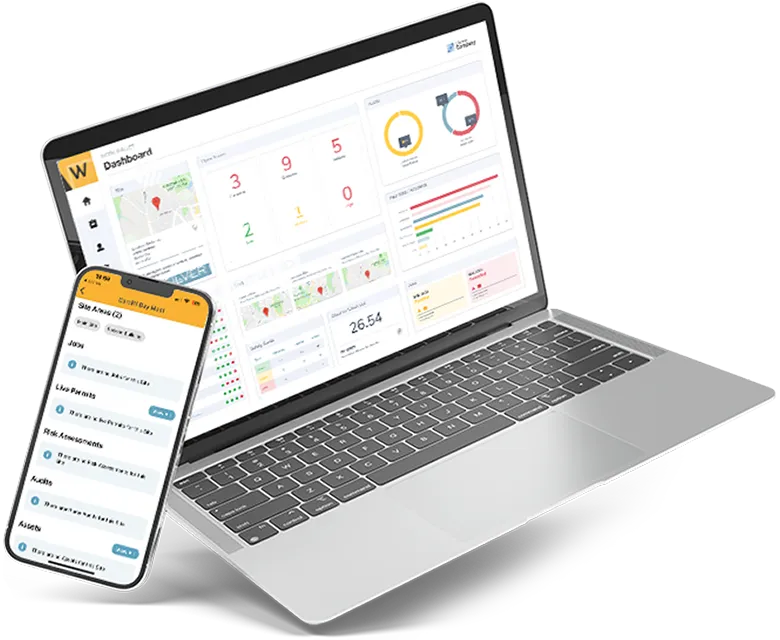
Work Wallet’s health and safety solutions align naturally with the Social pillar of ESG, especially in enhancing workplace safety. Our platform provides tools for tracking safety incidents and risks and implementing ongoing improvement programs that align with broader goals. Businesses using Work Wallet can boost their performance by enhancing transparency, supporting employee welfare, and facilitating safer and more efficient operations.
Is ESG Relevant for All Companies?
While ESG reporting has historically been emphasised for listed companies, it’s increasingly essential for all businesses. Here’s why:
Supply Chain Influence: Many businesses are now expected to provide related data to their clients and partners. Companies with robust ESG practices often gain preferred status and more competitive terms.
Future Growth and Investment: Non-listed companies looking to expand, secure investment, or be acquired will find that strong practices align them with investor expectations and can improve valuation.
Talent Attraction and Retention: Many employees want to work for companies committed to social and environmental responsibility. By adopting principles, businesses can attract top talent who share these values.
Consumer Demand and Compliance: Consumers today are highly aware of sustainability, and legislation is quickly moving to mandate reporting. The European Union’s Corporate Sustainability Reporting Directive (CSRD), set to apply to over 49,000 companies by 2026, is one example of the move toward mandatory ESG disclosures.
How can Work Wallet improve your business?
As ESG standards evolve, companies committed to sustainability and transparency will likely benefit from reputation, financial stability, and operational efficiency. Implementing systems that support ESG, like Work Wallet, enables organisations to proactively manage their non-financial performance and contribute to a safer, more sustainable future for all.
Get Started
Join the 10,000+ companies that grow with Work Wallet every day - trusted to simplify operations, boost safety, and keep teams connected.