What is RIDDOR? A complete guide for UK employers
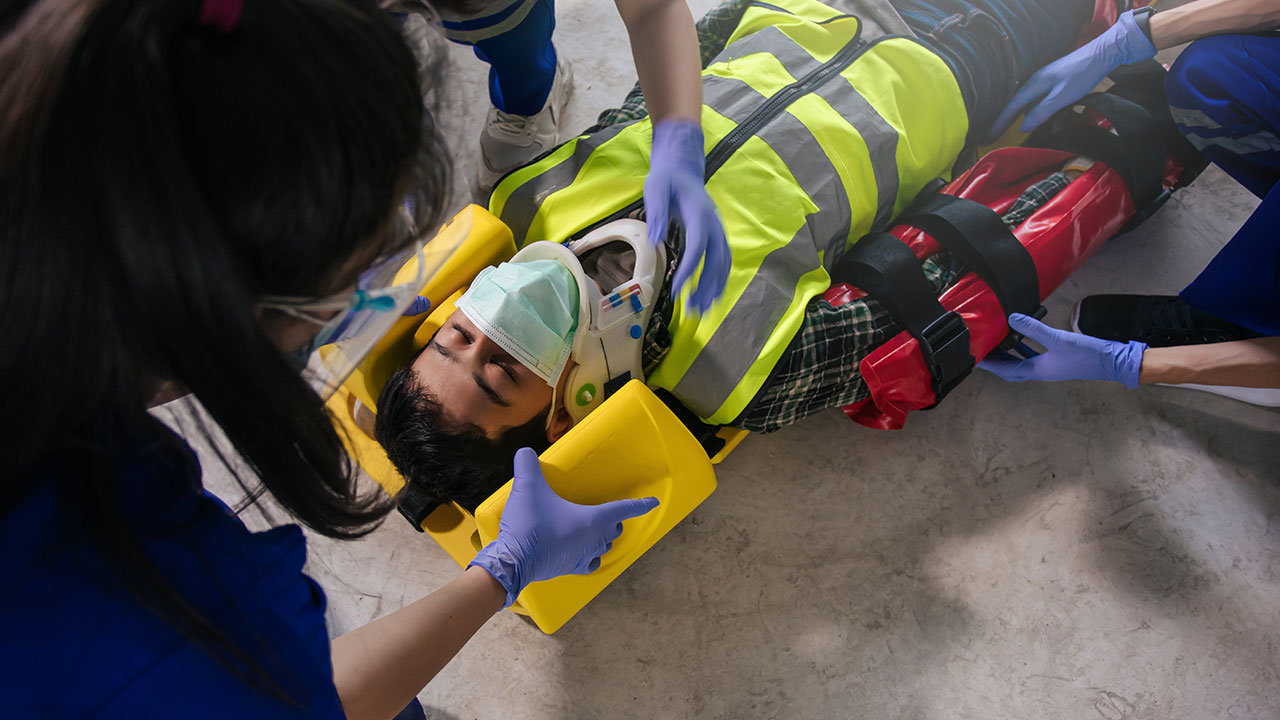
RIDDOR (Reporting of Injuries, Diseases and Dangerous Occurrences Regulations 2013) is the UK law that requires employers to report certain workplace accidents, occupational diseases and dangerous occurrences to the Health and Safety Executive (HSE). It applies to all employers, the self-employed and people in control of work premises.
Understanding RIDDOR is not optional for UK employers. Failure to report a notifiable incident is a criminal offence that can result in prosecution, unlimited fines and reputational damage. This guide covers what must be reported, how to report it, the applicable time limits and what falls outside the regulation’s scope.
What must be reported under RIDDOR?
RIDDOR requires the responsible person – usually the employer or site manager – to report the following categories of incident to the HSE:
Work-related deaths
Any death that results from a work-related accident must be reported immediately by calling the HSE’s incident contact centre. This includes deaths of workers and non-workers (e.g. members of the public) caused by a work-related incident.
Specified injuries to workers
These are defined injuries serious enough to require immediate reporting. They include:
- A fracture, other than to a finger, thumb or toe
- Amputation of an arm, hand, finger, thumb, leg, foot or toe
- Any injury diagnosed by a registered medical practitioner as likely to lead to permanent loss of sight or reduction in sight in one or both eyes
- Any crush injury to the head or torso causing damage to the brain or internal organs in the chest or abdomen
- Any burn injury (including scalding) which covers more than 10% of the whole body’s total surface area or causes significant damage to the eyes, respiratory system or other vital organs
- Any degree of scalping requiring hospital treatment
- Any loss of consciousness caused by head injury or asphyxia
- Any other injury arising from working in an enclosed space which leads to hypothermia, heat-induced illness or requires resuscitation or admittance to hospital for more than 24 hours
Over-7-day incapacitation
Where a worker is unable to carry out their normal range of duties for more than 7 consecutive days (not counting the day of the accident), the employer must report this within 15 days of the accident.
Occupational diseases
Employers must report certain occupational diseases when a medical practitioner diagnoses them in a current employee working with a specific agent or in a specific occupation. Reportable diseases include:
- Carpal tunnel syndrome (work involving use of vibratory tools)
- Cramp of the hand or forearm (repetitive work)
- Occupational dermatitis (exposure to a known skin sensitiser)
- Hand-arm vibration syndrome
- Occupational asthma (exposure to a known respiratory sensitiser)
- Tendonitis or tenosynovitis in the hand or forearm (repetitive work)
- Any occupational cancer
- Any disease attributed to an occupational exposure to a biological agent
Dangerous occurrences
These are near-miss events that did not result in injury but had the potential to do so. The HSE’s list of dangerous occurrences includes the collapse of a scaffold, accidental release of a biological agent, collapse of a building or structure under construction, and contact with overhead power lines, among others.
How do you report a RIDDOR incident?
All RIDDOR reports must be submitted to the HSE. There are two routes depending on the type of incident:
- Online via the HSE’s RIDDOR reporting portal at riddor.gov.uk – the preferred route for most incidents
- By telephone to the HSE’s incident contact centre (0345 300 9923) – required for fatal accidents and specified injuries, which must be reported immediately
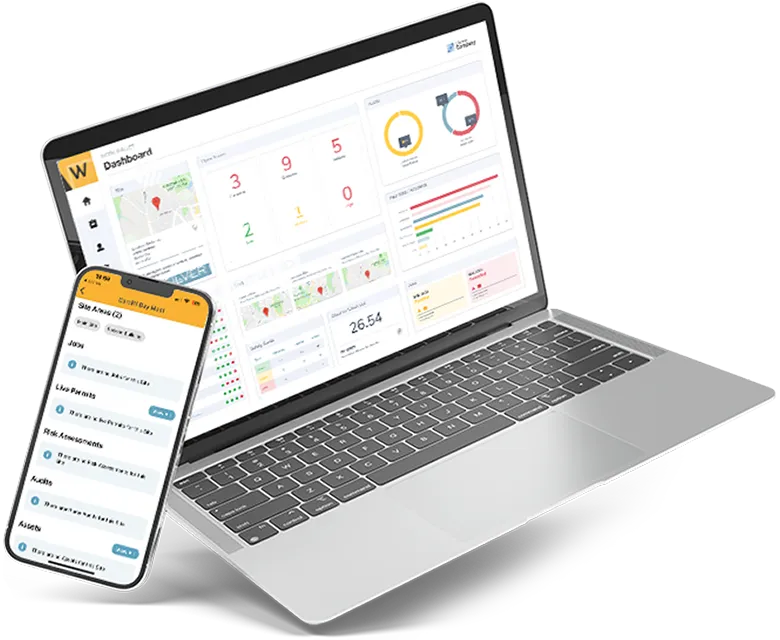
The responsible person (employer, self-employed person or person in control of premises) is legally obliged to make the report. Incident reporting software such as Work Wallet’s incident reporting module can help organisations record the details needed for a RIDDOR submission at the point of the incident, reducing the risk of missing the reporting window.
What are the RIDDOR reporting time limits?
Time limits differ depending on the severity of the incident:
| Incident type | Reporting deadline |
|---|---|
| Work-related death | Immediately – by telephone to the HSE |
| Specified injury to a worker | Immediately – by telephone, then online within 10 days |
| Over-7-day incapacitation | Within 15 days of the accident |
| Occupational disease | As soon as the employer receives a diagnosis from a medical practitioner |
| Dangerous occurrence | Immediately – by telephone, then online within 10 days |
| Gas incidents (gas fitters only) | Within 14 days |
Missing a RIDDOR deadline does not remove the obligation to report – the HSE can still require a report after the fact and may initiate enforcement action.
What is not reportable under RIDDOR?
Certain incidents fall outside the scope of RIDDOR, even if they result in time off work. Common examples that do not require a RIDDOR report include:
- Injuries to workers that result in fewer than 7 days off work (though these should still be recorded in an accident book)
- Injuries to self-employed people who are not under the direct supervision of a host employer
- Road traffic accidents, unless they involve work-related activities at the roadside or loading/unloading
- Injuries sustained during sporting activities on the employer’s premises that are not work-related
- Mental health conditions, except where they directly result from a reportable occupational exposure
Employers are frequently uncertain about the boundary. The key question is whether the injury or occurrence arose out of or in connection with a work activity. When in doubt, the HSE’s online guidance tool at hse.gov.uk/riddor provides a decision pathway.
RIDDOR and incident reporting software
RIDDOR compliance depends on accurate record-keeping at the point of an incident. Paper-based accident books and manual reporting processes create risk: details get lost, reporting windows are missed and records may be incomplete if an investigation is required later.
Work Wallet’s incident reporting module lets workers and supervisors log accidents, near misses and specified injuries directly from a mobile device. The record captures the information required for a RIDDOR submission – date, time, location, nature of injury, persons involved and immediate actions taken – and it is stored with a full audit trail. This means that when a reportable incident occurs, the information needed to complete the HSE’s online form is already documented and timestamped.
Frequently asked questions about RIDDOR
What does RIDDOR stand for?
RIDDOR stands for Reporting of Injuries, Diseases and Dangerous Occurrences Regulations 2013. It is the primary UK legislation governing the reporting of workplace accidents to the HSE.
Who is responsible for reporting under RIDDOR?
The duty to report falls on the ‘responsible person’, which is the employer in most workplace settings. For self-employed people working on someone else’s premises, the duty may fall on the person in control of those premises. For incidents involving members of the public, the person in control of the premises where the incident occurred is responsible.
What happens if you fail to report a RIDDOR incident?
Failure to report a notifiable incident under RIDDOR is a criminal offence. The HSE can prosecute under the Health and Safety at Work etc. Act 1974, and courts can impose unlimited fines. The HSE can also issue improvement notices, prohibition notices and fixed-penalty notices.
Does RIDDOR apply to the self-employed?
Yes. Self-employed people must report any death or specified injury that arises from their work. However, self-employed people working alone and not under the control of another employer are not required to report their own over-7-day incapacitation injuries.
What is the difference between RIDDOR and a risk assessment?
A risk assessment is a proactive process carried out before work begins to identify hazards and control measures. RIDDOR is a reactive reporting requirement that applies after an incident has occurred. The two are complementary: good risk assessment practice reduces the likelihood of RIDDOR-reportable events.
RIDDOR compliance starts with the right reporting process
RIDDOR compliance is not just about meeting a legal obligation – it creates a record that helps employers understand where their highest-risk activities are and where preventive action is needed. Organisations that treat incident reporting as a continuous process, rather than an administrative afterthought, are better placed to reduce injury rates over time.
Work Wallet’s incident reporting module supports the full cycle: incident capture, internal investigation, RIDDOR submission data and trend analysis. For organisations managing multiple sites or a high volume of incidents, a centralised digital system removes the friction that causes reporting failures.
Get Started
Join the 10,000+ companies that grow with Work Wallet every day - trusted to simplify operations, boost safety, and keep teams connected.