Mandatory Occurrence Reporting under the Building Safety Act

Mandatory Occurrence Reporting (MOR) is a key safety requirement under the Building Safety Act 2022, making it one of the most important responsibilities for duty holders and building managers. For construction professionals working on Higher-Risk Buildings (HRBs), the requirement to report serious incidents and potential risks to the Building Safety Regulator (BSR) is now a legal obligation.
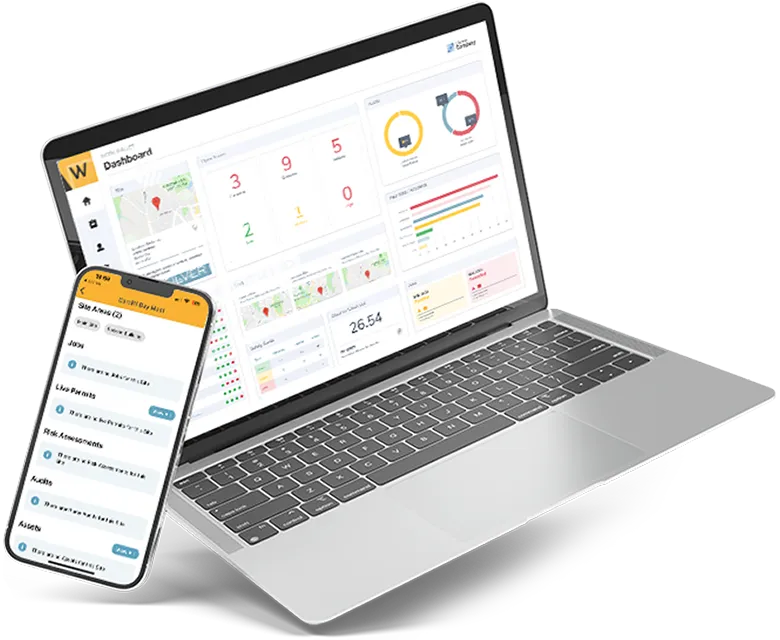
As a health and safety technology provider, Work Wallet supports duty-holders, contractors and designers by simplifying the reporting process through innovative digital systems. Here’s everything you need to know about Mandatory Occurrence Reporting and how technology can help you stay compliant.
What Is a Mandatory Occurrence?
A Mandatory Occurrence refers to serious health and safety incidents, or the risk of such incidents, that take place during the design, construction or occupation of a Higher-Risk Building. These could include:
- A structural collapse
- Fire or smoke spread due to failed fire safety measures
- The death or hospitalisation of a significant number of people
Importantly, Mandatory Occurrences don’t need to involve an actual incident. Identifying a serious risk is enough to trigger a reporting obligation, helping teams address potential dangers proactively rather than reactively.
Common reportable examples include:
- Defective materials or the installation of compliant products in the wrong way
- Structural flaws were discovered during construction
- Fire-stopping issues or poor compartmentation
- Mistakes in design caused by software errors or human oversight
Who’s Responsible for Reporting?
Both the Principal Designer and the Principal Contractor are legally responsible for operating a Mandatory Occurrence Reporting system on-site. This system must be formally submitted to the BSR as part of the Building Control Application at Gateway Two.
From there, it becomes one of the Agreed Documents that underpin regulatory approval, so having a clear, accessible, and reliable system in place is crucial.
What Must a MOR System Include?
A compliant MOR system needs to:
- Identify key individuals responsible for managing reports across the project
- Brief all workers during inductions and toolbox talks on how to report issues
- Provide a straightforward process for assessing and reporting incidents or risks
- Record events, submit reports and track outcomes, including any changes made to the project
At Work Wallet, our digital platform streamlines the entire MOR process – from initial identification to final submission – so your team stays compliant and your records remain audit-ready.
Submitting a Mandatory Occurrence: Notice and Report
When a Mandatory Occurrence is identified, the responsible person must submit:
1. A Mandatory Occurrence Notice
This needs to be sent to the BSR as soon as possible, outlining:
- A summary of what happened
- Immediate actions taken
- Contact details and building information
2. A Mandatory Occurrence Report
Submitted within 10 days of the Notice, this includes:
- The BSR reference number
- A detailed explanation of the incident or risk
- How it was discovered
- Who was affected, and what safety measures were taken
- Supporting evidence such as photos, reports or witness statements
- Lessons learned and further action taken
If all information is ready early, you can submit the Notice and Report together, saving time and ensuring a smoother MOR process.
Failure to complete either document is a breach of duty and may result in enforcement action or prosecution.
Managing Changes After a Mandatory Occurrence
An incident or risk often requires a change to the project, whether to plans, materials, or safety procedures. These are categorised as:
- Significant Change: Requires BSR approval before work can continue
- Notifiable Change: Work can proceed once the BSR is informed
- Recordable Change: Must be documented, but does not require immediate notification
These changes must be tracked in a Change Control Log, which can be managed directly through Work Wallet’s digital system. This provides traceability and supports regulatory compliance at every step.
Why a Digital System Makes a Difference
Traditional reporting methods:
Spreadsheets, paper forms and email chains leave room for error and delay. A digital solution like Work Wallet brings everything into one place:
- Clear task ownership
- Consistent reporting across teams and sites
- Real-time communication with the BSR
- Secure document storage and audit trails
- Integrated training and induction tracking
You can create a dedicated, project-specific email address in the platform to manage all MOR correspondence, making sure every submission comes from a verified and trusted source.
Final Thoughts
Mandatory Occurrence Reporting isn’t just about ticking a regulatory box; it’s about preventing serious harm and ensuring safer buildings for the future.
By embedding a transparent, digital reporting process into your project’s safety workflows, you protect your workforce, your reputation and your clients.
If you’re preparing for Gateway Two or managing an ongoing HRB project, Work Wallet can help you stay compliant, confident and in control.
Get Started
Join the 10,000+ companies that grow with Work Wallet every day - trusted to simplify operations, boost safety, and keep teams connected.