Understanding construction risk assessments on building sites in 2025
We explore how modern construction teams can use risk assessments and mandatory occurrence reporting systems to prevent incidents and stay compliant in 2025.
Understanding Construction Risk Assessments
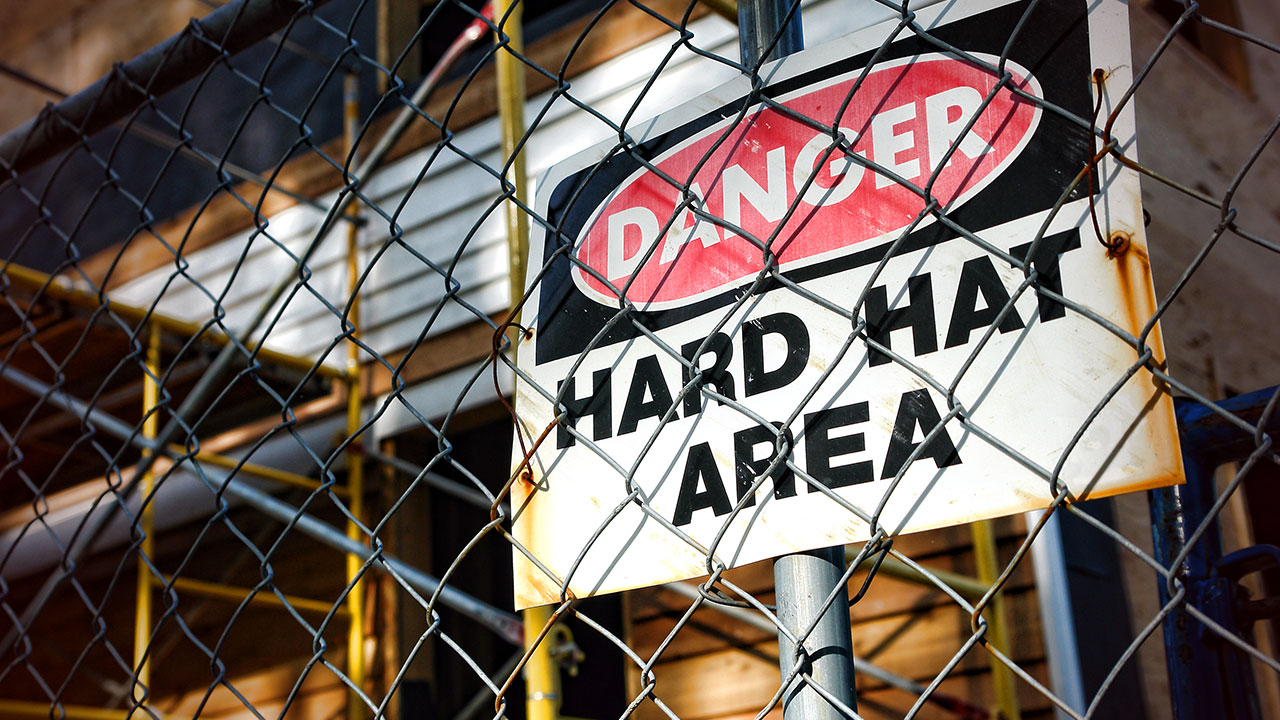
In 2025, the construction industry continues to face significant safety challenges, with the latest HSE data reporting over 58,000 non-fatal injuries and 39 fatal incidents in the past year alone. Falls from height remain the leading cause of workplace fatalities, highlighting the urgent need for consistent risk assessments and stronger safety reporting systems across the industry.
Every fatality represents a person who simply went to work and didn’t return home, and that’s unacceptable.
Risk Assessments Are More Than a Box-Ticking Exercise
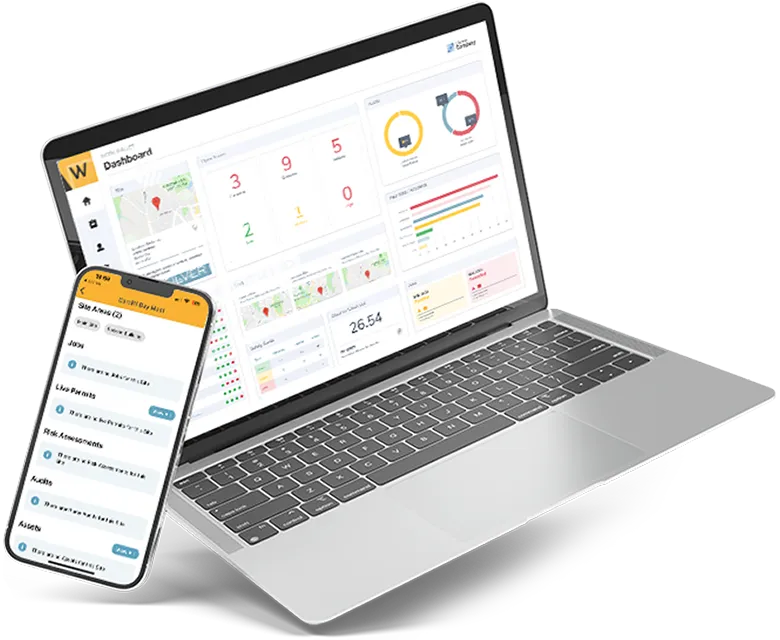
At Work Wallet, we know that a risk assessment isn’t just a formality; it’s one of the most critical tools for preventing workplace incidents and protecting lives. Digital platforms like ours empower teams to complete risk assessments quickly, accurately, and in real time, so site managers, contractors, and workers can identify potential hazards before starting work.
It’s a legal duty under the Management of Health and Safety at Work Regulations 1999 for employers to carry out a suitable and sufficient risk assessment, and it must account for the specific nature of the job, the environment, and the people involved.
The Five Steps to Risk Assessment Still Apply
Even with new technology, the fundamentals remain unchanged:
- Identify hazards relevant to the specific job and environment
- Determine who may be harmed and how
- Evaluate the risk and decide on effective control measures
- Record the findings and ensure controls are in place
- Review and update the assessment regularly
Where many businesses fall short is failing to make these assessments site-specific. A generic template might look neat, but it won’t account for the difference between laying bricks on ground level and laying them atop a scaffolded roof in poor weather conditions.
The Cost of Getting It Wrong
In one recent case, a construction firm was fined £260,000, plus costs, after a worker suffered life-changing injuries following a fall through an unprotected opening. A simple, well-executed risk assessment could have flagged this and prevented the incident.
That’s why Work Wallet exists: to provide teams with digital tools that make mandatory occurrence reporting and risk assessments quicker to complete, easier to share, and more effective in preventing harm.
Don’t Start Work Without It
Before work starts on site, ask:
- Where is the risk assessment?
- Is it suitable, sufficient, and site-specific?
- Has it been reviewed recently?
And crucially, has your team got a live, accessible reporting system in place for raising and acting on incidents?
Supporting Mandatory Occurrence Reporting
Work Wallet also helps construction teams operate a mandatory occurrence reporting system, as required under the Building Safety Act. Benefit from prompt incident reporting, streamlined communication, and real-time reporting to the Building Safety Regulator.
When lives are at stake, there’s no room for assumptions. With Work Wallet, you stay in control – ensuring every job is safe, compliant, and confidently managed.
Get Started
Join the 10,000+ companies that grow with Work Wallet every day - trusted to simplify operations, boost safety, and keep teams connected.